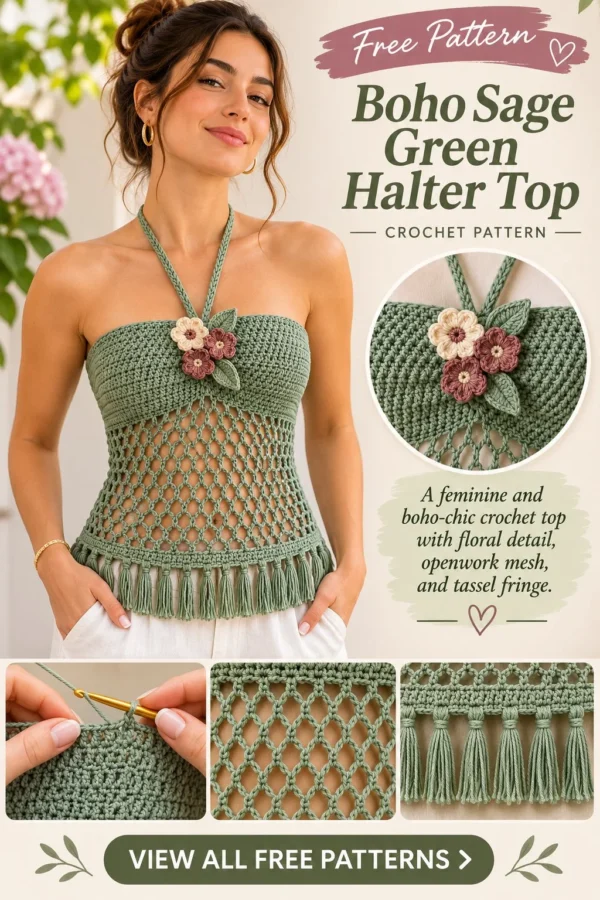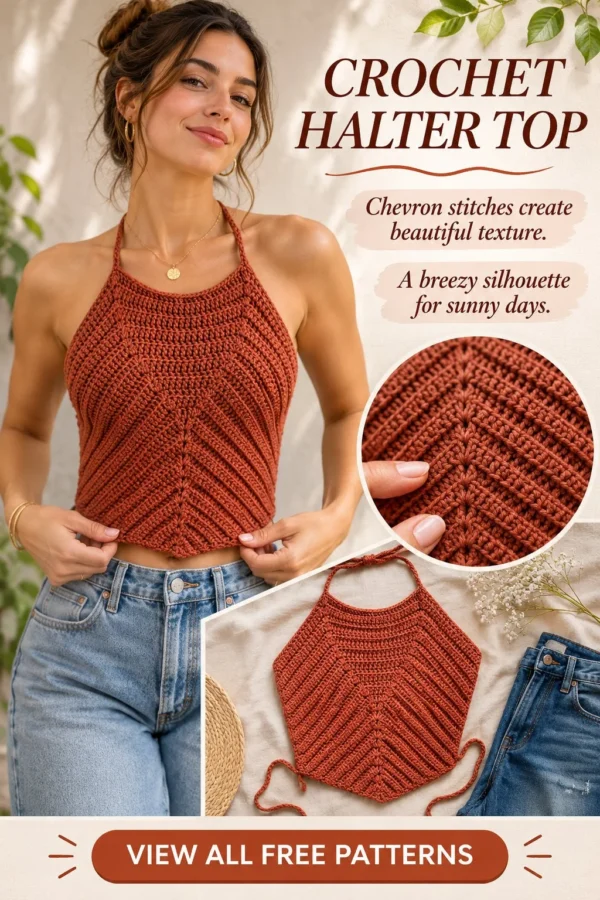

Kerchief free crochet patterns are a lovely way to create a lightweight handmade accessory with personality and practical appeal. A crocheted kerchief can add color and texture to an everyday outfit, help keep hair in place, or make a thoughtful handmade gift. Depending on the design, kerchiefs may be worked in rows, joined rounds, or separate sections that are finished with ties or edging. Because no yarn, hook size, measurements, or original instructions were supplied for this project, the information below explains how to plan and evaluate a kerchief pattern without presenting invented stitch instructions.
Before You Begin
A complete crochet pattern requires specific technical information, including yarn, hook size, stitch sequence, row or round counts, finished measurements, and finishing directions. Those details were not included in the supplied source material, so this article cannot provide a complete stitch-by-stitch kerchief pattern without fabricating instructions.
The project can still be approached as a pattern-planning guide. Before starting, confirm the original design’s construction method and gather the exact materials listed by its designer.
Project Overview
| Feature | Details |
|—|—|
| Skill level | Cannot be determined from the supplied source |
| Construction | Not specified |
| Main techniques | Not specified |
| Components | Not specified |
| Finished size | Not supplied |
| Special notes | Complete original instructions are required before crocheting |
A kerchief is commonly shaped as a triangular or tapered fabric piece, but that construction should not be assumed for this specific project. Some designs are made from a triangle worked in rows, while others use joined sections, decorative edging, ties, or button closures.
Materials and Supplies
No materials or supplies were provided in the source input. Do not substitute a yarn type, hook size, color, or tool list until the original pattern specifies them.
Yarn Requirements
| Yarn Color | Used For | Quantity |
|—|—|—|
| Not supplied | Not specified | Not specified |
Yarn weight and fiber are especially important for a kerchief. A heavier yarn may produce a warm, structured accessory, while a lighter yarn can create a softer, more breathable fabric. However, the correct yarn cannot be identified without the original pattern information.
Crochet Hooks and Tools
The source does not identify any required tools. A complete materials list may include some of the following, but they should only be treated as possibilities until confirmed:
- Crochet hook in the specified size
- Scissors
- Yarn needle
- Measuring tape
- Stitch markers, if required by the instructions
- Blocking supplies, if the finished fabric needs shaping
Gauge and Finished Measurements
No gauge or finished measurements were supplied.
| Measurement | Source information |
|—|—|
| Gauge | Not supplied |
| Finished size | Not supplied |
Gauge matters because it affects both the dimensions and drape of a kerchief. Using a different hook or yarn can change the finished size, fabric density, and amount of yarn needed. If the original pattern includes a gauge swatch, complete it before beginning the project.
Crochet Abbreviations and Working Notes
No abbreviations were included in the supplied instructions. The following common US crochet abbreviations may appear in a complete kerchief pattern, but they should not be treated as part of this specific design unless confirmed by the original source.
| Abbreviation | Meaning |
|—|—|
| ch | Chain |
| sc | Single crochet |
| hdc | Half double crochet |
| dc | Double crochet |
| sl st | Slip stitch |
| st(s) | Stitch(es) |
| rep | Repeat |
| sk | Skip |
| inc | Increase |
| dec | Decrease |
| RS | Right side |
| WS | Wrong side |
| FO | Fasten off |
How to Read the Pattern
A complete pattern should explain whether the kerchief is worked in rows or rounds, whether turning chains count as stitches, and where shaping increases or decreases occur.
Repeated instructions are commonly placed between asterisks. For example, “*sc in next stitch, inc in next stitch; repeat from * across” means to repeat the sequence until the end of the row. Stitch totals are normally placed in parentheses at the end of a row or round.
If the pattern uses a stitch marker, it should identify the beginning of a round or another important location. Color changes should be stated at the exact row or round where they occur. Since none of these details were supplied, they cannot be accurately documented for this kerchief.
Complete Crochet Pattern Instructions
The original crochet instructions field was empty. As a result, there are no verified rows, rounds, stitch counts, color changes, component quantities, or finishing instructions to reproduce.
Providing invented instructions would risk producing an inaccurate pattern. The following pattern sections therefore identify the missing information rather than substituting an unverified design.
Kerchief Body
Yarn color: Not supplied.
Hook size: Not supplied.
Quantity: Not specified.
Construction: Not specified.
Starting instructions: Not supplied.
Row-by-Row or Round-by-Round Instructions
No original rows or rounds were provided.
A complete pattern should identify:
- The starting chain or foundation method
- Whether the first row is worked into the chain or a magic ring
- The stitch used throughout the body
- The location and frequency of increases or decreases
- Whether the work is turned after each row
- The stitch count after each row or round
- Any color changes
- The final body measurements
These details must come from the original pattern and should not be guessed.
Beginner Guidance for the Body
If the kerchief is worked in rows, place a stitch marker in the first or last stitch when necessary so the edges remain consistent. Count stitches at the end of every row, especially after shaping rows. Uneven increases can cause one side of the kerchief to become longer or more angled than the other.
If the fabric is intended to be triangular, compare both sides regularly rather than waiting until the final row. If the design is rectangular, crescent-shaped, or another form, follow the supplied measurements and shaping instructions instead.
Finishing the Body
No fastening-off, edging, blocking, or finishing instructions were supplied. Do not cut the yarn or shape the fabric until the original pattern confirms the correct final step.
Kerchief Edging
Yarn color: Not supplied.
Hook size: Not supplied.
Quantity: Not specified.
Construction: Not specified.
Instructions
No edging instructions were provided.
A finished kerchief may include a simple border, scallops, picots, fringe, or another decorative treatment, but none can be assigned to this project without source instructions. The edging may also affect the final measurements and should be worked only after the body construction is confirmed.
Finishing
No instructions were supplied for joining the edging, fastening off, hiding yarn ends, or blocking the completed accessory.
Kerchief Ties or Closure
Yarn color: Not supplied.
Hook size: Not supplied.
Quantity: Not specified.
Construction: Not specified.
Instructions
No tie, strap, button, loop, or other closure instructions were included.
Some kerchiefs are secured by long crocheted ties, while others rely on the shape of the fabric, a button closure, or a separate headband section. The attachment points and finished tie length must be taken directly from the original pattern.
Finishing
No instructions were provided for attaching or securing a closure.
Pattern Completeness Note
The supplied source does not contain enough information to establish a complete crochet pattern. Specifically, it does not provide:
- Yarn brand, fiber, weight, color, or quantity
- Crochet hook size
- Gauge
- Finished measurements
- Starting chain or foundation method
- Rows or rounds
- Stitch counts
- Shaping instructions
- Edging instructions
- Tie or closure instructions
- Fastening-off directions
- Blocking or assembly instructions
For an accurate article containing full crochet instructions, the original pattern text must be supplied.
Assembling Your Crochet Project
No assembly instructions were included in the source.
If the completed design contains separate pieces, the original pattern should explain their joining order and placement. Do not assume that an edging, tie, closure, or decorative element belongs in a particular location without written instructions.
Before assembly, a complete pattern would normally identify:
- Which pieces must be completed first
- Whether yarn tails are reserved for sewing
- Where ties or closures are attached
- Whether the kerchief is blocked before or after assembly
- How yarn ends are secured
- Whether the finished piece requires shaping
Because these details are absent, no specific assembly method can be accurately provided.
Tips for a Neater Crochet Finish
- Confirm the pattern before beginning. Check that the source includes yarn, hook, gauge, and complete stitch instructions.
- Make a gauge swatch when one is provided. A kerchief’s drape and finished dimensions depend heavily on stitch tension.
- Count every completed row. This is especially important when the design includes increases or decreases.
- Mark the edges if needed. Edge stitches are easy to miss in narrow or lightweight fabric.
- Keep both sides balanced. For shaped designs, compare the two edges regularly to catch uneven increases early.
- Avoid changing hook size casually. A different hook can alter the fabric’s flexibility and final measurements.
- Block only when appropriate. Blocking may improve the shape, but the correct method depends on the yarn fiber and pattern instructions.
- Secure yarn ends carefully. Kerchiefs are handled and worn frequently, so loose ends should be woven in securely once the pattern confirms the finishing method.
Frequently Asked Questions
Is this crochet pattern beginner-friendly?
The skill level cannot be determined because no original crochet instructions were supplied. A simple kerchief worked in basic rows may be suitable for beginners, while designs with intricate shaping, lace, or specialized edging may require more experience.
What yarn is recommended?
No yarn information was provided. Use only the yarn specified in the complete original pattern. If substitutions are necessary, match the original yarn weight and consider fiber content, drape, texture, and care requirements.
Can I use another crochet hook size?
A different hook may change the gauge, fabric density, drape, and finished size. If the original pattern supplies a gauge, adjust hook size only after making a swatch and comparing it with the stated measurements.
What size will the finished kerchief be?
The finished size was not supplied. It cannot be calculated reliably without the stitch pattern, row count, yarn, hook size, and gauge.
Can I customize the colors?
Color customization is usually possible if the design does not depend on a precise color sequence. However, the original pattern does not identify any colors or color-change positions, so no specific color plan can be recommended for this project.
How can I prevent uneven stitches?
Maintain consistent tension, count stitches frequently, and identify the first and last stitch of each row or round. A stitch marker can help with edge placement or round beginnings when the pattern calls for one.
What should I do if the stitch count is incorrect?
Stop and recount the current row or round before continuing. If the count is wrong, inspect the previous row for missed stitches, accidental increases, skipped stitches, or incorrectly worked decreases. Since no stitch counts were supplied here, there is no verified count against which to compare.
How should I wash the finished project?
Follow the care instructions for the yarn used. If the yarn is unknown, do not assume that the kerchief is machine washable. Hand washing in cool water and drying flat may be appropriate for some fibers, but the yarn label should always take priority.
Your Next Stitch
A handmade kerchief can be a practical and attractive crochet accessory, but an accurate finished design depends on complete pattern information. The supplied source currently contains only the project title and no materials or instructions, so rows, rounds, measurements, and assembly steps cannot be written without inventing details. Once the original pattern is available, it can be organized into a clear WordPress tutorial with verified materials, complete stitch instructions, finishing guidance, and beginner-friendly explanations.