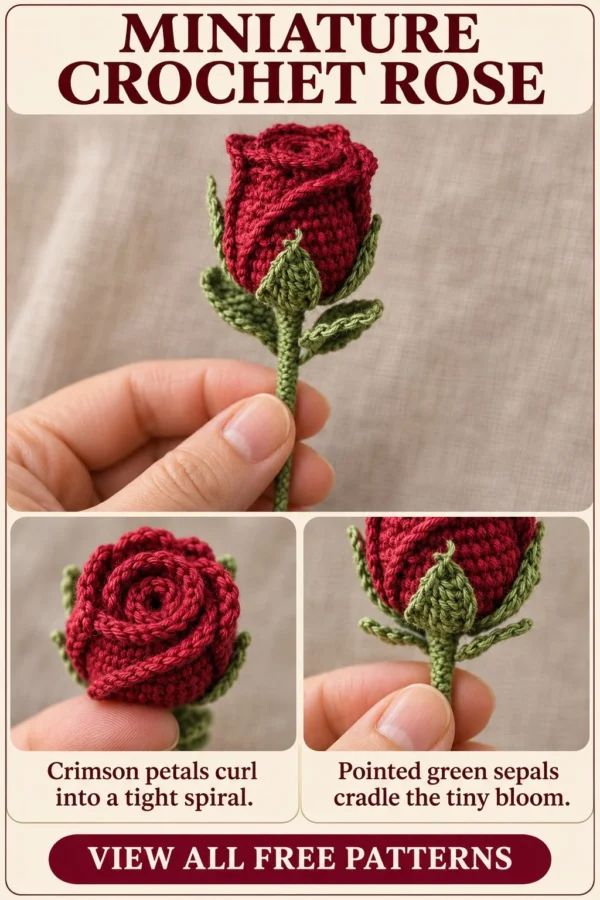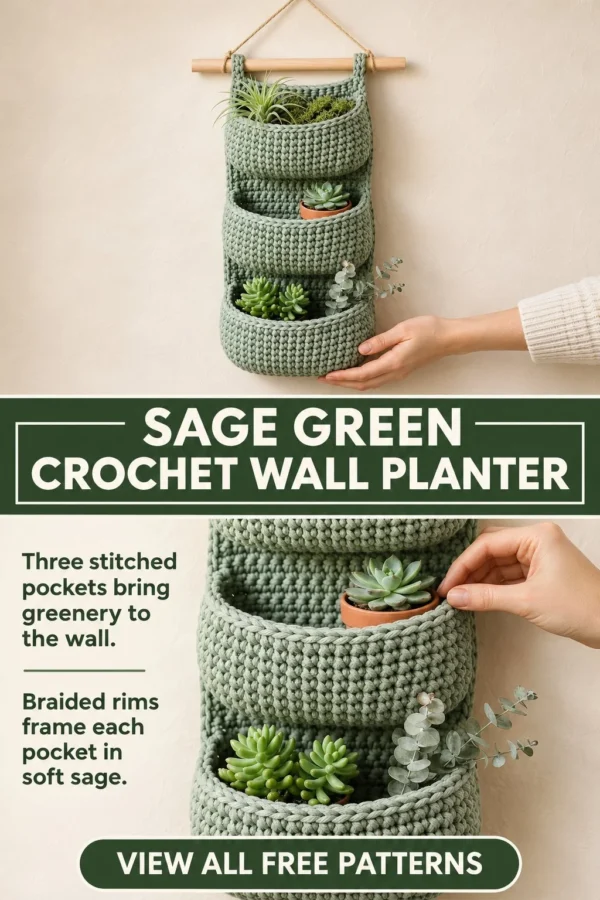
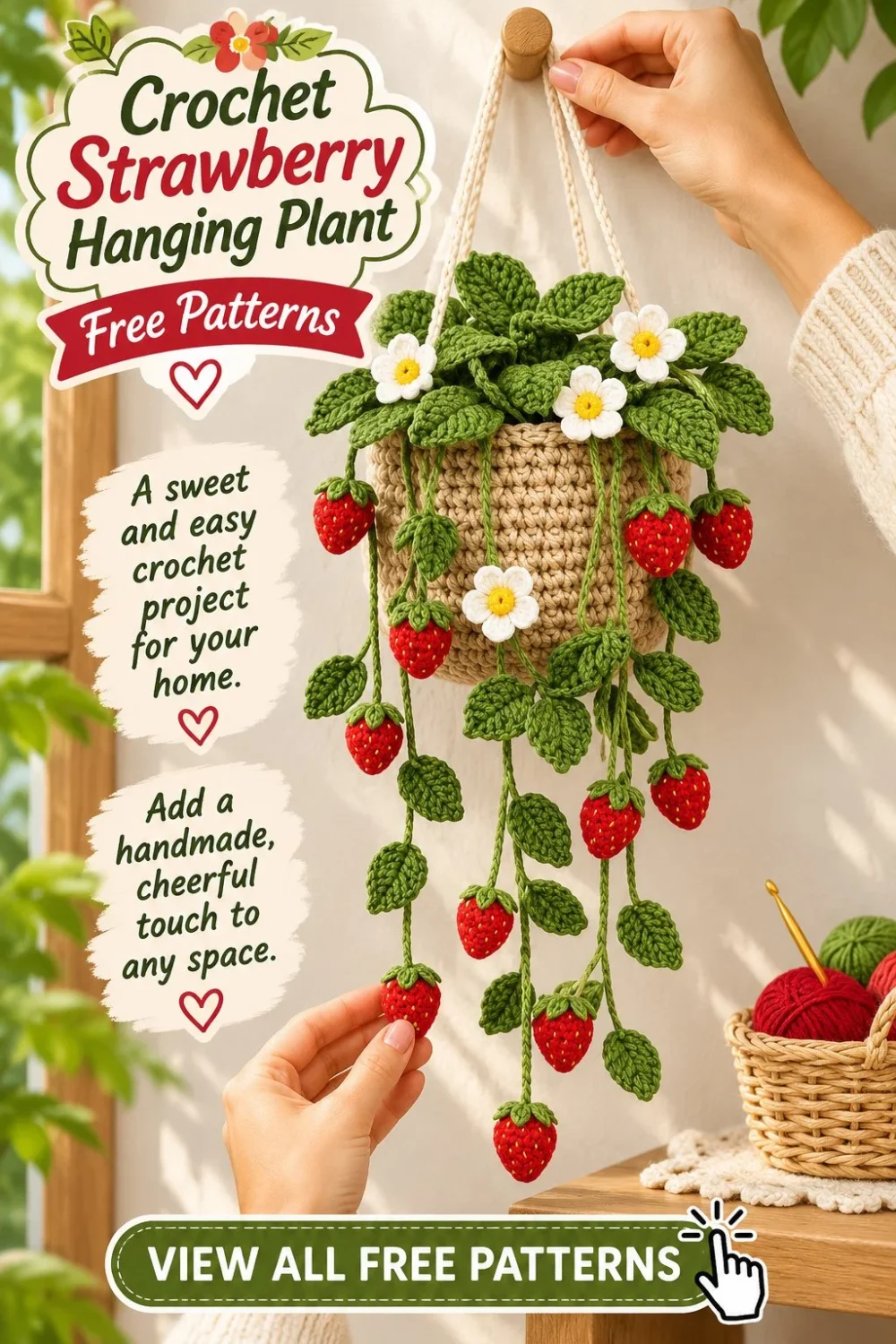
Create inspiring crochet patterns for aesthetic decor with a thoughtful, handmade approach that turns simple stitches into attractive accents for your home. Because no specific yarn, hook, measurements, or original stitch instructions were supplied, this guide focuses on planning and developing an original decor concept rather than presenting a complete stitch-by-stitch pattern. If you enjoy wearable crochet experiments as well, these beginner-friendly crochet bandana ideas can provide additional inspiration for color and texture.
Before You Begin
Aesthetic crochet decor can include wall hangings, baskets, plant accessories, pillow details, table accents, garlands, and small sculptural pieces. The finished design may be soft and textured, minimalist and neutral, or colorful and playful. Before starting, decide what the item will do, where it will be displayed, and whether it needs structure, drape, or durability.
Project Overview
| Project detail | Available information |
|---|---|
| Skill level | Cannot be confirmed without a specific stitch pattern or construction method. |
| Construction | Not supplied; decor may be worked in rows, joined rounds, continuous rounds, or separate pieces. |
| Finished size | Not supplied. |
| Materials | No yarn, hook, tool, or quantity information was supplied. |
For a dependable design, establish the construction before crocheting. A flat wall hanging may be worked in rows and finished with a dowel or hanging loop. A basket or bowl may use joined or continuous rounds with regular increases. A decorative motif may be made as several individual pieces and attached after blocking. These choices affect the stitch selection, tension, and finishing method.
Materials and Supplies
No materials and supplies were included in the source information. Select supplies only after deciding on the intended decor item and its required structure.
Yarn Requirements
Choose yarn according to the finished project’s purpose. A smooth yarn makes stitch definition easy to see, while a textured or brushed yarn creates a softer visual effect but can hide shaping. Cotton is often useful for structured decor, whereas wool or acrylic may provide warmth, loft, or a wider color range. The yarn weight, fiber, color, and quantity remain unspecified for this concept.
Crochet Hooks and Tools
The required tools cannot be confirmed without a complete pattern. Depending on the design, a crocheter may need a compatible crochet hook, scissors, a yarn needle, stitch markers, measuring tape, blocking supplies, stuffing, or a support such as a dowel. Do not purchase specialty materials until the construction and finishing method are established.
Gauge and Finished Measurements
No gauge or finished measurements were supplied. Gauge matters whenever the decor must fit a specific space, cover a particular object, or match another component. A tighter gauge generally creates firmer fabric, while a looser gauge creates more drape and openness. Always make a small swatch with the selected yarn and hook before committing to the final dimensions.
Crochet Abbreviations and Working Notes
Because no original instructions were provided, no pattern abbreviations can be confirmed. A complete pattern should define every abbreviation before the directions begin and should use US crochet terminology consistently.
How to Read the Pattern
In a finished pattern, stitch instructions should identify whether the work is crocheted in rows, joined rounds, or continuous rounds. A stitch marker can identify the first stitch of a continuous round. Repeated instructions are normally enclosed in asterisks or brackets, and a stitch total should appear at the end of each row or round when shaping is involved.
Turning chains, color changes, increases, decreases, joining instructions, and fastening-off directions must also be stated explicitly. Since none of those details were supplied here, they should not be inferred or presented as confirmed instructions.
Complete Crochet Pattern Instructions
A complete crochet pattern cannot be written accurately from the supplied information because the original crochet instructions are blank. There are no confirmed components, stitch counts, color changes, rounds, rows, joining methods, stuffing stages, or finishing directions to preserve.
Pattern Components
No actual component names or quantities were provided. It would be inaccurate to invent a head, base, panel, petal, handle, hanging loop, or other part. The final pattern should list each component separately and identify whether it is made once, repeated, or joined during construction.
Round-by-Round or Row-by-Row Directions
No stitch-by-stitch rounds or rows were supplied. Consequently, there are no technical instructions that can be reproduced without fabricating the pattern. A publishable version would need the starting chain or magic ring, stitch sequence, repeat instructions, shaping, stitch totals, color changes, and finishing information for every component.
Design Planning for Aesthetic Decor
When developing the missing pattern, begin with a simple visual direction. Neutral yarns and repeated geometric stitches suit minimalist rooms. Contrasting colors and scalloped edges create a playful look. Raised stitches, bobbles, shells, and post stitches add dimension, while plain single crochet can provide a stable foundation for structured pieces.
Plan the silhouette before selecting decorative stitches. A narrow wall hanging benefits from a firm top edge, while a soft hanging may use openwork and fringe. For a container, increase evenly until the base reaches the desired width, then work even rounds to form the sides. These are planning principles, not supplied pattern instructions.
Assembling Your Crochet Project
No assembly order was included in the source material. The correct joining method therefore remains unspecified. Once a complete pattern is available, assembly should follow its documented order and should identify where each finished piece is positioned, how it is attached, and how yarn ends are secured.
For any multi-piece decor project, lay the components on a flat surface before joining. Check that matching pieces are the same size and that the visible sides face the intended direction. Use removable markers to hold placement temporarily, then attach the pieces with the stated sewing or crochet-joining method. Avoid adding measurements or placement details that are not present in the source pattern.
Tips for a Neater Crochet Finish
- Make a swatch first. A swatch shows whether the selected yarn and hook create fabric that is firm, flexible, or open enough for the intended decor.
- Plan the color palette. Limit the main palette to a few coordinated shades so texture remains visible rather than visually cluttered.
- Mark the first stitch. In continuous rounds, a marker helps prevent accidental increases or skipped stitches.
- Count regularly. Checking stitch totals at the end of each row or round makes shaping errors easier to correct early.
- Keep tension consistent. Uneven tension can make repeated decorative pieces differ in size, which becomes obvious during assembly.
- Block flat pieces carefully. Blocking can improve edges and symmetry, but the method must suit the yarn fiber and the finished item’s intended use.
- Hide ends securely. Weave yarn tails through several stitches on the wrong side, especially on pieces that will be handled or moved.
Frequently Asked Questions
Is this crochet pattern beginner-friendly?
A skill level cannot be confirmed because no actual pattern instructions were supplied. The difficulty would depend on the stitches, shaping, joining, colorwork, and finishing techniques required.
What yarn is recommended?
No yarn type, weight, fiber, color, brand, or quantity was specified. Choose yarn based on the planned decor item’s structure, texture, durability, and color palette.
Can I use another crochet hook size?
Hook substitutions cannot be evaluated without a specified original hook and gauge. A larger hook generally creates looser fabric, while a smaller hook generally creates firmer fabric. Always compare a swatch with the intended measurements.
What size will the finished project be?
The finished size is not available because no measurements or stitch instructions were supplied. The completed dimensions should be stated only after the design has been fully specified.
Can I customize the colors?
Yes, color customization is usually possible for decorative crochet, but the original color placement should be recorded before making substitutions. Contrast can emphasize texture, while closely related shades create a quieter effect.
How can I prevent uneven stitches?
Maintain a relaxed grip, use the same motion for each stitch, and check your tension against a swatch. In shaped projects, count stitches frequently so uneven edges are not mistaken for a tension problem.
What should I do if the stitch count is incorrect?
Stop at the first round or row with an incorrect total and recount each stitch. Check for missed increases, accidental extra stitches, skipped edge stitches, or a misplaced round marker. Without the original pattern, a specific correction cannot be confirmed.
Your Next Stitch
Aesthetic crochet decor becomes most successful when the visual idea and the technical plan support each other. Choose a purposeful silhouette, coordinate the palette, and use texture where it enhances the room rather than overwhelming it. Since the source contains no materials or instructions, a complete pattern will require those details before crocheting can begin. For additional design inspiration, explore the work of crochet designer Linda Skuja while developing your own handmade decor direction.