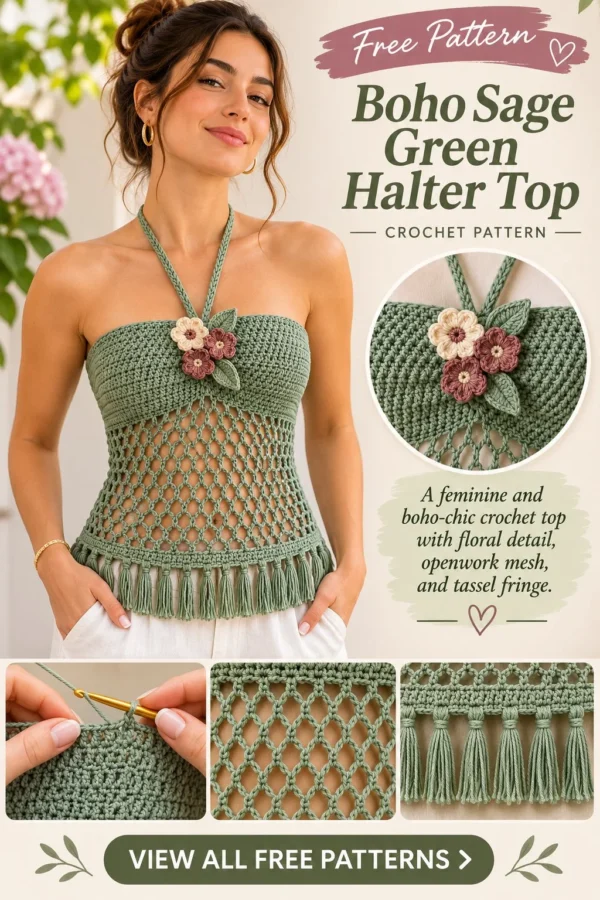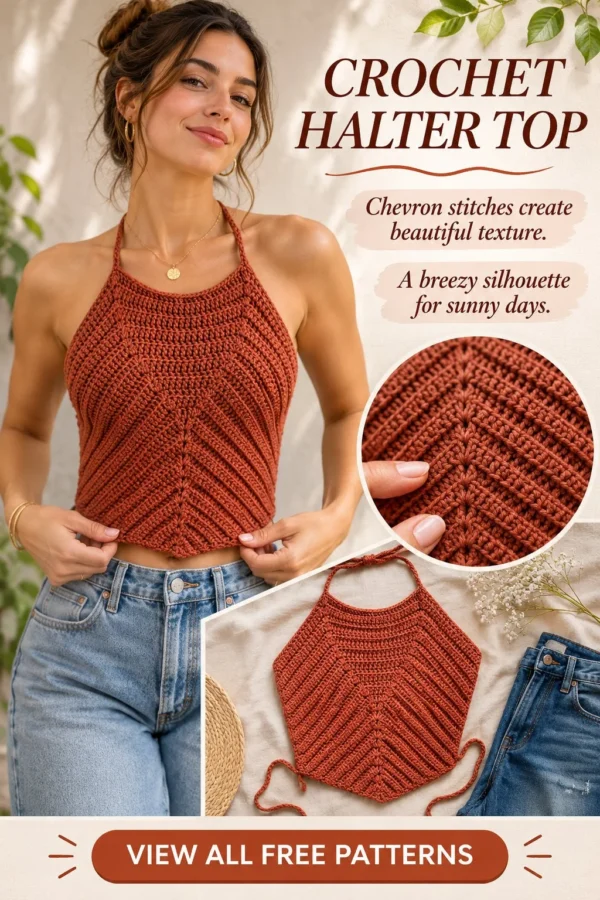

Crochet bandana patterns are practical, portable projects for anyone who enjoys spending time outdoors. A handmade bandana can add a pop of color to a hiking outfit, keep hair secure on a breezy trail, or serve as a lightweight accessory for camping, festivals, and everyday wear. The simple triangular shape makes this a satisfying project for practicing increases, maintaining even rows, and creating a polished fabric with minimal finishing. Since no materials list or original crochet instructions were supplied, the complete pattern details, yarn requirements, measurements, and assembly instructions cannot be accurately established from the available source information.
Before You Begin
The supplied pattern information does not include construction instructions, stitch details, yarn specifications, hook size, finished measurements, or component information. Because these details are essential for an accurate crochet pattern, they should be added before beginning the project.
A crochet bandana may be made in flat rows, joined rounds, or separate sections, but the construction method for this design has not been provided. Do not substitute an assumed stitch pattern or shaping sequence, because doing so would create a new pattern rather than preserve the original instructions.
Project Overview
| Feature | Details |
|—|—|
| Skill level | Cannot be determined from the supplied information |
| Construction | Not specified |
| Main techniques | Not specified |
| Components | Not specified |
| Finished size | Not supplied |
| Hook size | Not supplied |
The source does not establish whether the bandana is worked from the center point outward, from one edge across, or in another documented order. It also does not state whether ties, edging, button closures, or decorative details are included.
Materials and Supplies
No materials or supplies were included in the source information.
Yarn Requirements
No yarn color, yarn weight, fiber content, brand, yardage, or quantity was supplied. These details are necessary to determine the project’s drape, durability, finished size, and suitability for outdoor use.
Crochet Hooks and Tools
No crochet hooks or additional tools were specified.
The complete source should identify any required supplies, such as:
- Crochet hook
- Scissors
- Yarn needle
- Stitch markers
- Measuring tape
- Any closures or embellishments
These items are listed only as information that may need to be documented; they are not confirmed requirements for this pattern.
Gauge and Finished Measurements
No gauge or finished measurements were provided.
| Measurement | Details |
|—|—|
| Gauge | Not supplied |
| Finished width | Not supplied |
| Finished height | Not supplied |
| Tie length | Not supplied |
Gauge is especially important for a wearable bandana. A tighter gauge can create a firmer fabric, while a looser gauge may produce a softer, more flexible accessory. However, the correct hook size and stitch pattern must come from the original instructions.
Crochet Abbreviations and Working Notes
No abbreviations were included in the supplied pattern. The final instructions should define every abbreviation used, such as:
| Abbreviation | Meaning |
|—|—|
| ch | Chain |
| sc | Single crochet |
| hdc | Half double crochet |
| dc | Double crochet |
| sl st | Slip stitch |
| st(s) | Stitch(es) |
| rep | Repeat |
| RS | Right side |
| WS | Wrong side |
| FO | Fasten off |
Only abbreviations confirmed in the original pattern should appear in the completed version.
How to Read the Pattern
The source does not explain whether the bandana uses rows or rounds, whether turning chains count as stitches, how increases are placed, or how stitch counts are recorded. These conventions should be stated clearly once the original instructions are available.
For an accurate beginner-friendly tutorial, the pattern should specify:
- Where each row or round begins
- Whether the work is turned
- Whether a starting chain counts as a stitch
- How repeated instructions are marked
- Whether stitch totals appear at the end of each row
- Where ties or edging are added
- How the project is fastened off and finished
Complete Crochet Pattern Instructions
A complete crochet pattern cannot be written because the original crochet instructions field was empty. No rows, rounds, stitch sequences, increases, decreases, color changes, or finishing directions were supplied.
Bandana Body
Yarn color: Not specified
Hook size: Not specified
Quantity: Not specified
Construction: Not specified
No starting chain, foundation method, center point, edge shaping, or row-by-row instructions were provided.
To preserve pattern accuracy, the following information is needed:
- Starting chain or beginning technique
- First row or round
- Stitch used throughout the body
- Increase placement
- Number of rows or rounds
- Stitch count after each row or round
- Color changes, if any
- Border or edging instructions
- Fastening-off instructions
Ties or Straps
No instructions were supplied for ties or straps. It is therefore unknown whether the bandana includes crocheted ties, separate cords, chain ties, sewn ribbons, or another closure method.
The source should specify:
- Number of ties
- Starting method
- Length
- Stitch pattern
- Attachment location
- Finishing method
Border or Decorative Details
No edging, border, surface crochet, appliqué, embroidery, or other decoration was documented. These details should not be invented or added without source instructions.
Finishing
No fastening-off, weaving-in, blocking, washing, shaping, or finishing instructions were supplied.
Although blocking may be useful for some crochet bandanas, it cannot be confirmed as part of this design without information about the yarn fiber, stitch pattern, and intended measurements.
Assembling Your Crochet Project
No assembly instructions were provided.
If the original design consists of one continuous crocheted piece, there may be little or no assembly beyond securing yarn ends. If it includes separate ties, edging, or decorative elements, those pieces may require attachment in a specific order. The correct joining method and placement must come from the source pattern.
Do not assume exact tie positions, seam locations, or attachment measurements. These details affect how the bandana fits and should be documented directly in the original instructions.
Once the missing instructions are available, the assembly section should explain:
- Which pieces are completed first
- Whether the bandana is blocked before or after assembly
- Where ties or straps are positioned
- How separate pieces are joined
- Which stitch or sewing method is used
- How yarn ends are secured
- How the finished bandana is shaped and inspected
Tips for a Neater Crochet Finish
The following general tips may help with a crochet bandana, but they are not replacements for missing pattern instructions.
Check your gauge before making the full piece. A difference in tension can noticeably change the width, height, and drape of a wearable accessory.
Count stitches frequently. Triangular shaping often depends on consistent increases. Missing one increase can make the edges uneven.
Mark the beginning of each row or round when needed. A stitch marker can help identify the active edge or center point.
Keep edge stitches consistent. Loose or tight edge stitches can make the bandana appear crooked and make edging more difficult.
Use a yarn needle to secure ends carefully. Outdoor accessories may receive regular movement and washing, so loose ends should be woven into the fabric securely.
Block only when appropriate for the yarn. Check the yarn label before using wet or steam blocking, particularly with synthetic fibers.
Measure as you work. Comparing the developing project with the intended measurements can help identify tension problems early.
Frequently Asked Questions
Is this crochet bandana pattern beginner-friendly?
The skill level cannot be determined because the original stitch instructions were not supplied. Once the construction method and shaping are known, the difficulty can be assessed more accurately.
What yarn is recommended?
No yarn was specified. The original pattern should identify the yarn weight, fiber, color, and quantity. For an outdoor accessory, the yarn should also be comfortable against the skin and suitable for the intended care method.
Can I use another crochet hook size?
Changing the hook size can alter the gauge, drape, dimensions, and texture. A different hook should be used only after making a gauge swatch and confirming that the resulting fabric is suitable for the project.
What size will the finished bandana be?
No finished measurements were provided. The completed width, height, and tie length should be taken directly from the original pattern or measured after the project is completed.
Can I customize the colors?
Color customization may be possible, but the source does not identify any color-change locations. You can choose different colors only after confirming whether the design uses solid-color construction, stripes, planned color changes, or multiple components.
How can I prevent uneven edges?
Maintain consistent tension and count every stitch carefully. If the pattern includes increases at the edges or center point, confirm that each increase is worked in the specified location.
What should I do if my stitch count is incorrect?
Stop and recount the current row or round before continuing. If the count is wrong, inspect the previous row for a missed stitch, accidental increase, skipped stitch, or misplaced turning chain. Since the original stitch counts were not supplied, there is no confirmed count against which to compare.
How should I wash the finished bandana?
Follow the care instructions on the yarn label. Without knowing the yarn fiber or construction, a specific washing method cannot be recommended. Lay the bandana flat to dry if the label advises against machine drying or if maintaining its shape is important.
Your Next Stitch
A crochet bandana can be a useful handmade accessory for hiking, camping, travel, festivals, and everyday wear. Its compact shape makes it an appealing project to carry with you, while color and edging choices can give it a distinctly personal style. However, the supplied source does not contain the technical information needed to create an accurate finished pattern. Add the original materials list and crochet instructions before publishing or working the design so that every row, measurement, construction step, and finishing detail can be preserved correctly.